
.jpg?height=600&name=How%20to%20Check%20HVAC%20Airflow%20at%20Home%20(DIY%20Test%20+%20Fixes).jpg)
If your AC is running but your home still feels uneven, uncomfortable, or harder to cool than it should be, weak airflow could be the reason. It’s one of the most common HVAC issues homeowners run into, and it often shows up before bigger (and more expensive) problems develop.
The good news is you don’t need specialized tools to get a sense of what’s going on. A simple DIY test can help you check HVAC airflow, spot inconsistencies between rooms, and identify early signs of a problem. In Chico, Paradise, and surrounding Northern California areas, factors like dust, seasonal heat, and aging ductwork can make airflow issues even more noticeable.
In this blog, we’ll walk through how to test air conditioner airflow at home, what weak airflow might mean, and what steps you can take next to improve performance or know when it’s time to call a professional.
What Is Normal HVAC Airflow?
Normal HVAC airflow should feel steady, consistent, and noticeable from each vent, without large differences from room to room. While it won’t feel like a strong gust of wind, you should be able to clearly feel air moving when you place your hand near a register.
In a properly functioning system, airflow is balanced throughout the home. That means each room receives a similar level of conditioned air, helping maintain even temperatures without hot or cold spots. Minor variations can occur due to layout or distance from the system, but significant differences usually indicate an issue.
Airflow plays a direct role in both comfort and efficiency. When airflow is strong and consistent, your system can circulate air effectively, maintain your desired temperature, and avoid overworking. When airflow is weak or uneven, your HVAC system has to run longer to compensate, which can lead to higher energy bills, added wear on components, and inconsistent indoor comfort.
Signs Your HVAC System Has Poor Airflow
If you’re dealing with HVAC airflow issues, the signs are usually easy to spot once you know what to look for. Common indicators include:
- Weak air coming from vents, even when the system is running
- Hot and cold spots throughout the home
- AC is running consistently, but not effectively cooling the space
- Increased energy bills without a clear reason
- Dust buildup around vents or registers
These symptoms often point to underlying airflow problems, such as blockages, leaks, or system inefficiencies, that can worsen over time if left unaddressed.
DIY HVAC Airflow Test (Step-by-Step)
You can test HVAC airflow at home in just a few minutes using simple checks. This process helps you identify weak airflow, spot inconsistencies, and narrow down potential causes before moving on to fixes or repairs.
Step 1 – Check Airflow at Each Vent
Start by placing your hand or a small piece of paper in front of each vent while your system is running. You should feel steady airflow or see the paper move consistently. If airflow feels weak or barely noticeable, that’s an early sign of a problem.
Step 2 – Compare Room-to-Room Airflow
Move from room to room and compare how strong the airflow feels at each vent. Airflow should be relatively consistent throughout your home. If one room has significantly weaker airflow than the others, it may indicate a blockage, a duct issue, or an imbalance in the system.
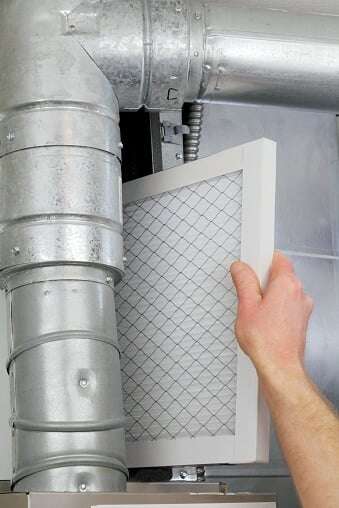
Step 3 – Inspect Your Air Filter
A dirty or clogged air filter is one of the most common causes of weak HVAC airflow. Remove your filter and check for dust and debris buildup. If it looks dirty, replacing it can often improve airflow immediately.
Step 4 – Check for Blocked or Closed Vents
Make sure all vents are open and unobstructed. Curtains or debris can block airflow, reducing system efficiency. Even partially blocked vents can impact how air moves through your home.
Step 5 – Listen for Unusual System Sounds
Pay attention to how your system sounds while it’s running. Rattling, whistling, or other unusual noises can indicate duct leaks, blockages, or mechanical issues affecting airflow.
These simple steps can help you identify whether you’re dealing with a minor issue or a more complex airflow problem that may require professional HVAC repair.
What Causes Weak Airflow in Your HVAC System?
If your AC is not blowing strong air, there’s usually an underlying issue restricting or limiting how air moves through your system. Here are the most common causes of weak HVAC airflow:
Dirty Air Filter
A clogged air filter is one of the most frequent causes of airflow problems. As dust and debris accumulate, they restrict the amount of air that can pass through the system. This reduces airflow at your vents and forces your HVAC system to work harder than necessary.
Blocked or Leaking Ductwork
Your duct system delivers air throughout your home. If ducts are blocked, disconnected, or leaking, air may never reach certain rooms. This often leads to uneven temperatures and noticeable differences in airflow between spaces.
Failing Blower Motor
The blower motor is what pushes air through your HVAC system. If it’s struggling or beginning to fail, airflow can become weak or inconsistent. You may also notice unusual noises or reduced performance over time.
Thermostat or System Issues
Sometimes HVAC airflow issues are tied to incorrect thermostat settings or system malfunctions. If your system isn’t running properly or cycling as it should, it may not be moving air effectively throughout your home.
Aging HVAC System
As systems get older, components naturally wear down. Reduced efficiency, buildup inside the system, and outdated equipment can all contribute to weaker airflow. In some cases, ongoing airflow issues may signal that your system is nearing the end of its lifespan.
Quick Fixes You Can Try Before Calling a Professional
If you’re dealing with weak HVAC airflow, there are a few simple fixes you can try before scheduling a repair. These quick checks can often resolve minor issues or help you rule out common causes:
- Replace your air filter. If your filter is dirty, replace it with a new one. This is one of the fastest ways to improve airflow and overall system performance.
- Open all vents. Make sure all supply vents are fully open, even in rooms you don’t use often. Closing vents can create pressure imbalances and reduce airflow throughout the system.
- Clear obstructions. Check for Curtains or debris blocking vents and registers. Removing these obstacles allows air to circulate more freely.
- Reset your thermostat. Double-check your thermostat settings and try resetting it if needed. Incorrect settings or minor glitches can sometimes impact how your system runs and distributes air.
If airflow still feels weak after these steps, there may be a deeper issue within your HVAC system that requires professional diagnosis.
When a DIY HVAC Fix Isn’t Enough
Sometimes, even after you’ve replaced the filter, opened vents, and cleared obstructions, airflow still doesn’t improve. If weak airflow continues, your system may be dealing with a deeper issue that isn’t visible at the surface. The same applies to heating issues: understanding what to do if your heating system isn’t producing heat can help you determine whether it’s a simple fix or something more complex.
If these issues continue after basic troubleshooting, it’s likely a deeper system problem that requires professional diagnosis. Addressing it early can help prevent more extensive repairs, improve efficiency, and restore comfort throughout your home.
HVAC Airflow Issues in Chico and Surrounding Areas
Homeowners in Chico, Paradise, and surrounding Northern California areas often experience HVAC airflow issues tied to local conditions. Dust and debris buildup is common in this region, especially during dry periods. This can quickly clog filters and restrict airflow if not maintained regularly.
Heavy AC usage in the summer also puts added strain on systems, which can expose airflow problems more quickly. In many North State homes, older ductwork can further contribute to weak or uneven airflow due to leaks, gaps, or buildup over time. These factors can make airflow issues more noticeable, particularly during peak cooling seasons.
Frequently Asked Questions About HVAC Airflow
How do I test airflow in my HVAC system?
You can check HVAC airflow by placing your hand or a piece of paper in front of each vent while the system is running. Air should feel steady and consistent. Comparing airflow from room to room can also help identify weak spots or imbalances.
Why is my AC airflow weak?
Weak airflow is often caused by a dirty air filter, blocked or leaking ductwork, or issues with the blower motor. In some cases, thermostat settings or an aging system can also impact airflow.
Can a dirty filter reduce airflow?
Yes, a dirty air filter is one of the most common causes of reduced airflow. As it becomes clogged with dust and debris, it restricts airflow through the system, leading to weaker airflow at your vents.
Should airflow be the same in every room?
Airflow should be relatively consistent throughout your home. While slight differences can occur, noticeable variations between rooms often indicate a blockage, a duct issue, or a system imbalance.
When should I call an HVAC professional?
If airflow remains weak after basic troubleshooting, or if your system isn’t cooling properly, it’s time to call a professional. Unusual noises, odors, or widespread airflow issues are also signs that a deeper problem may need expert diagnosis from experienced California HVAC technicians.
Need Help Fixing Your HVAC Airflow?
If your AC isn’t keeping up, airflow feels weak, or certain rooms never seem comfortable, it might be more than a simple fix. Experts In Your Home makes it easy to get answers — and have your unit fixed quickly.
With licensed HVAC professionals and fast, reliable service, our team can identify the root of the problem and recommend the right solution without the guesswork. From diagnostics to repairs, everything is handled by experienced technicians who understand how to restore proper airflow and system performance.
Schedule an HVAC inspection to get your airflow issue diagnosed today.
.jpg)
.jpg)