

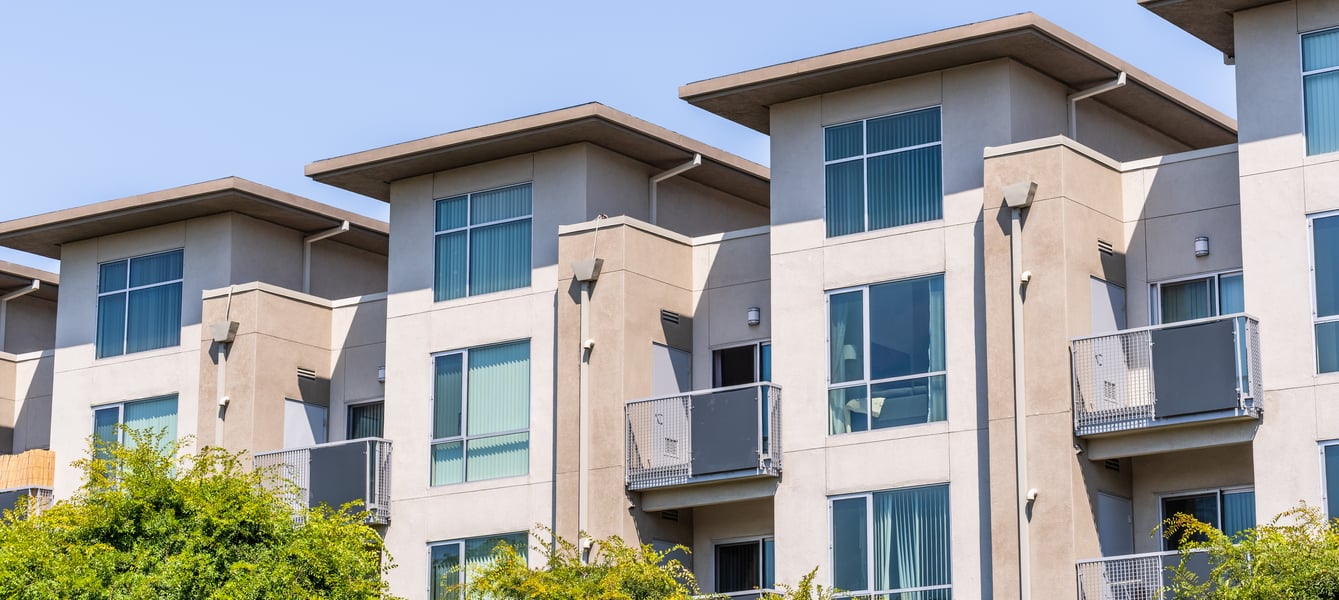
Apartment renovation planning can quickly become complicated for owners, investors, and property managers in Chico, Butte County, and across the North State. Aging units, dated common areas, building systems, exterior needs, and deferred maintenance can all compete for the same capital budget.
Experts In Your Home has worked on several multifamily properties throughout our local area, giving our team firsthand experience improving individual units, shared spaces, amenities, and other areas of an apartment complex. The challenge is determining what should come first and how extensive the work needs to be.
A thoughtful plan can help balance immediate property needs with longer-term improvements while accounting for residents, vacancy, budgets, and day-to-day operations.
In this blog, we’ll look at how to prioritize apartment renovation projects, when a unit turn may be enough versus a larger renovation, how to work around residents, what affects renovation costs, and how phasing can make a larger project more manageable.
What Should You Renovate First in an Apartment Complex?
The right place to start an apartment renovation depends on the property's condition and the owner's goals. Before prioritizing visible upgrades, consider whether safety concerns, building system needs, or exterior issues could affect the property or lead to additional work later.
A property condition assessment or walkthrough with an experienced contractor can help identify priorities and establish the right scope before work begins.
Safety, Code, and Building Systems
Plumbing, electrical, HVAC, structural components, and other essential systems should be evaluated before cosmetic improvements begin. If left unresolved, issues in these areas could interfere with or damage newly renovated spaces.
Addressing safety, code, and system needs early can also help identify work that makes sense to complete while crews are already accessing walls, ceilings, or other areas.
Building Exterior and Envelope
Roofing, siding, windows, doors, drainage, and other components of the building envelope help protect units and common areas from the elements.
Addressing exterior needs before interior improvements can help avoid additional work later. Exterior upgrades can also improve the property's appearance before prospective residents ever step inside a unit.
Unit Interiors
Flooring, paint, fixtures, kitchens, bathrooms, and other interior improvements can affect how units present to prospective residents and align with local rental-market expectations. Not every unit needs the same level of work. The age and condition of existing finishes, leasing goals, and upcoming vacancies can help determine whether a unit needs a standard turn, targeted upgrades, or a more extensive renovation.
Common Areas and Amenities
Clubhouses, pools, fitness areas, hallways, landscaping, and other shared spaces shape how residents and prospective residents experience the property. Updates may become a priority when these areas feel noticeably dated compared with renovated units or competing properties.
Ultimately, owners should balance visible improvements with the less visible work needed to protect the property. Looking at the property as a whole can help prioritize immediate needs while supporting broader leasing and operational goals.
Unit Turns vs. Full Unit Renovations: Which Does Your Property Need?
A unit turn prepares an apartment for the next resident with work such as painting, flooring, fixture updates, cleaning, and repairs. A full unit renovation goes further, potentially replacing cabinets and countertops, changing layouts, or updating systems within the unit.
The right approach depends on the unit's age, condition, time since its last update, local rental expectations, and whether similar work is needed across multiple units.
At Westpark Gardens, Experts In Your Home upgraded a unit that hadn't been turned over in 17 years. At Sterling Oaks, the team updated a 20-year-old original three-bedroom, two-bathroom unit. Both show how a unit's condition and history can shape the scope of work.
There's also a middle ground between a basic make-ready and full renovation. Owners can establish a standardized upgrade package and complete those improvements as units become vacant, creating greater consistency across the property over time.
Ultimately, the scope of a make-ready apartment project should reflect what the unit needs today and how those improvements fit into the property's larger renovation plan.
How Do You Renovate an Apartment Complex With Residents Still Living There?
Renovating an apartment complex while residents are still living there requires careful scheduling, clear communication, and a plan to limit disruption. Depending on the scope, work can be completed around occupied spaces or as units become vacant.
Communicate With Residents Before Work Begins
Residents should know when work will occur, which areas will be affected, and what disruptions to expect. Clear schedules and updates can help them plan around temporary changes to their units or shared spaces.
Owners and property managers also need to follow applicable notice requirements before entering occupied units. Under California Civil Code Section 1954, landlords may enter a rental unit for specified purposes, including necessary or agreed-upon repairs and improvements, subject to applicable notice requirements. Owners should confirm the requirements that apply to their circumstances before work begins.
Plan the Work Around Occupied Spaces
Defined work hours, noise and dust control, safe access routes, cleanup standards, and keeping shared amenities available when practical can help limit disruption for residents.
For unit interiors, completing larger improvements when an apartment becomes vacant is often the least disruptive approach. Work can be incorporated into normal turnover periods rather than completed around an existing resident.
For common areas, scheduling work during lower-use periods can help maintain access to other parts of the property while improvements are underway.
Account for Lead-Safe Requirements in Older Buildings
Older apartment buildings may require additional precautions during renovation. The EPA's Renovation, Repair and Painting (RRP) Rule applies to certain projects that disturb lead-based paint in homes and other covered facilities built before 1978. Experts In Your Home is an EPA Lead-Safe Certified Firm with trained professionals who follow applicable lead-safe work practices when performing covered renovation work.
How Phasing and Scheduling Reduce Vacancy and Disruption
Phasing an apartment renovation lets owners make improvements without taking an entire property or a large number of units offline at once. Work may be completed building by building, floor by floor, through rolling renovations at turnover, or by separating unit and common-area improvements.
This approach can help keep more units available and rental income flowing while spreading renovation spending over time. Rolling improvements at turnover can be especially useful, allowing owners to upgrade units as they become vacant rather than creating additional vacancies for construction.
Scheduling within each phase matters, too. Plumbing, electrical, HVAC, flooring, painting, and other trades often need to work in sequence. Coordinating those handoffs can reduce gaps between crews and help prevent units from sitting unfinished between stages.
The right approach depends on the number of units, scope of work, building conditions, occupied versus vacant spaces, and availability of materials and trades. A phased plan can account for those variables while balancing renovation progress with ongoing property operations.
What Drives the Cost of a Multifamily Renovation?
Multifamily renovation costs depend on the property, scope of work, and how the project is planned. Because every apartment complex is different, understanding what drives apartment renovation cost is more useful than relying on a general estimate.
Number of Units and Scope of Work
Renovating a few units is different from planning upgrades across an entire apartment complex, but the number of units isn't the only factor that matters. The type of work being completed, from basic finish updates to larger kitchen, bathroom, or building system improvements, will also shape the overall cost.
There can also be efficiencies when similar upgrades are repeated across multiple units. Using consistent materials and finishes can simplify purchasing and make it easier to move from one unit to the next.
Building Age and Existing Conditions
Older properties can come with surprises once renovation work begins. Aging plumbing or electrical systems, previous repairs, water damage, or structural concerns may all affect the scope of a project. Taking a closer look at the property's existing condition before finalizing the renovation plan can help owners better understand what the project may involve.
Systems vs. Cosmetic Improvements
Apartment remodel cost can also vary depending on what’s happening behind the finishes. New paint, flooring, and fixtures are a different scope of work than upgrades involving plumbing, electrical, HVAC, roofing, or structural components. Looking at both cosmetic and building needs together can help owners avoid investing in visible upgrades while more essential work still needs attention.
Materials and Finish Level
Material choices can significantly affect renovation costs. Flooring, countertops, fixtures, appliances, and other finishes should reflect the property's goals, target residents, and overall renovation plan. Consistency can help, too. Using the same materials across units can simplify purchasing and make future turns, repairs, and replacements easier to manage.
Permitting and Project Conditions
Permitting requirements can affect both the cost and planning of a renovation, depending on the work involved. Occupied units, site access, existing building conditions, and other project-specific factors can also influence how the work is completed.
Because these factors vary from one multifamily property to another, the most useful estimate is based on the actual building and planned scope. Owners considering a renovation can request a quote from Experts In Your Home to start evaluating their project.
Why One Team for Every Trade Matters on Multifamily Projects
Multifamily renovations can involve plumbing, electrical, HVAC, painting, flooring, and specialty work for pools, clubhouses, and other amenities. When those trades are handled by separate vendors, owners and property managers may also be responsible for coordinating schedules and managing handoffs between crews.
Experts In Your Home's “One Company. One Call.” approach brings multiple in-house trades together under one contract, giving owners one team to coordinate the work.
That range of capabilities can be especially useful when improvements extend beyond individual units. At Amanda Place, Experts In Your Home completed a top-to-bottom remodel of the leasing office, clubhouse, and pool area. The project included a new pool deck and cabanas, along with updates to the clubhouse kitchen, fitness center, restrooms, living areas, flooring, paint, lighting, and HVAC systems.
At Tuscan Villa Apartments, the clubhouse remodel brought together new flooring, kitchen cabinets and countertops, paint, plumbing fixtures, and lighting fixtures.
For owners planning improvements across units, common areas, building systems, or a combination of all three, Experts In Your Home brings those capabilities together for multifamily properties throughout the North State.
Apartment Complex Renovation FAQs
How long does an apartment complex renovation take?
The timeline depends on the number of units, scope of work, building conditions, permitting, material availability, and whether spaces are occupied or vacant. Phasing and coordination between trades can also affect the overall schedule.
What upgrades add the most value to a multifamily property?
The right upgrades depend on the property's condition and the owner's goals. Safety concerns, building systems, and exterior needs should be evaluated alongside improvements to unit interiors, common areas, and amenities to determine where renovation dollars are best spent.
What's the difference between a unit turn and a renovation?
A unit turn prepares an apartment for the next resident with work such as cleaning, repairs, painting, flooring, and fixture updates. A full renovation typically involves more extensive improvements to the unit, its finishes, layout, or systems.
Can you renovate an apartment complex while tenants live there?
Many apartment renovations can be completed while residents remain at the property, depending on the scope of work. Careful scheduling, resident communication, applicable notice requirements, and plans for managing noise, dust, and access can help limit disruption.
Do apartment renovations require permits in Butte County?
Permit requirements depend on the property's location and the work being completed. Owners should check with the appropriate City of Chico or Butte County permitting office before work begins to determine which requirements apply.
Plan Your Multifamily Renovation With Experts In Your Home
A successful apartment renovation starts with understanding what the property needs most. Clear priorities and a realistic phasing plan can help owners improve the property while managing vacancy, rental income, and disruption for residents.
Experts In Your Home has completed multifamily projects throughout Chico and the North State, with experience spanning individual units, shared spaces, building systems, and amenities. With multiple trades under one roof, our team can coordinate the different parts of a multifamily renovation from start to finish.
Ready to start planning your property's next improvements? Explore Experts In Your Home's multi-family residential services to see how our team can help.
.jpg)
.jpg)